Guides
Toronto chimney sweeping: fire code, shared flues and insurer records
How Toronto sweeps work with the Ontario Fire Code enforced by Toronto Fire Services, shared flues in older Toronto homes, insurer reports and TSSA referrals.
What to take away
- Toronto chimney sweep regulations run through Toronto Fire Services for fire safety, and NFPA 211 for the technical standard you inspect to.
- The city's older semi-detached housing stock often shares one flue between two homes, so your inspection has to cover the neighbour's side too.
- Insurers want dated, signed compliance documentation for insurers: photos, clearances, and the standard you worked to.
- Permits and TSSA Ontario referrals depend on the appliance and the fuel, not on the sweep.
- Records belong to the building, so hand copies to landlords, tenants and property managers.
What Toronto Fire Services expects from chimney and vent work
Toronto Fire Services enforces the Ontario Fire Code at the municipal level. Its inspectors respond to complaints, post-fire inspections and requests from other city departments. They do not approve your work in advance. They check that what you left behind meets the code.
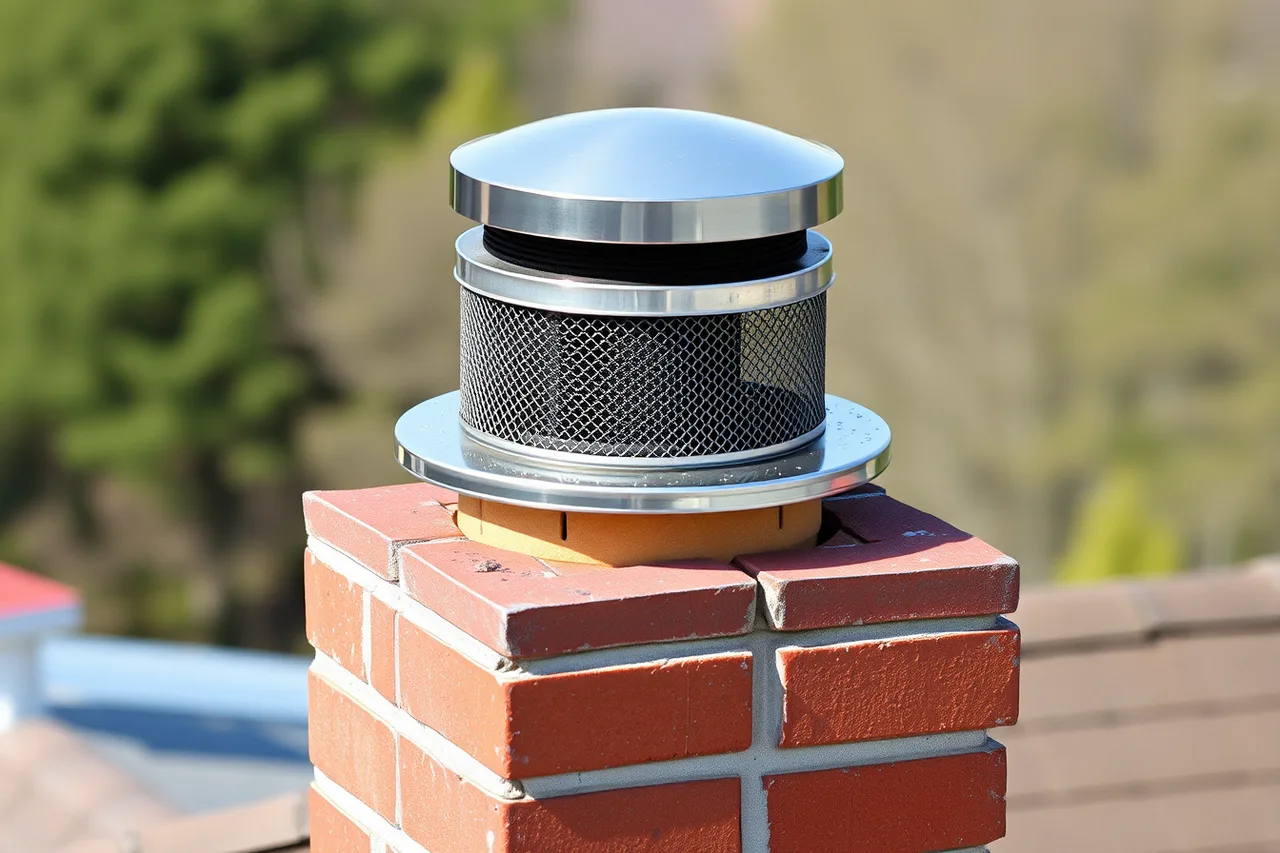
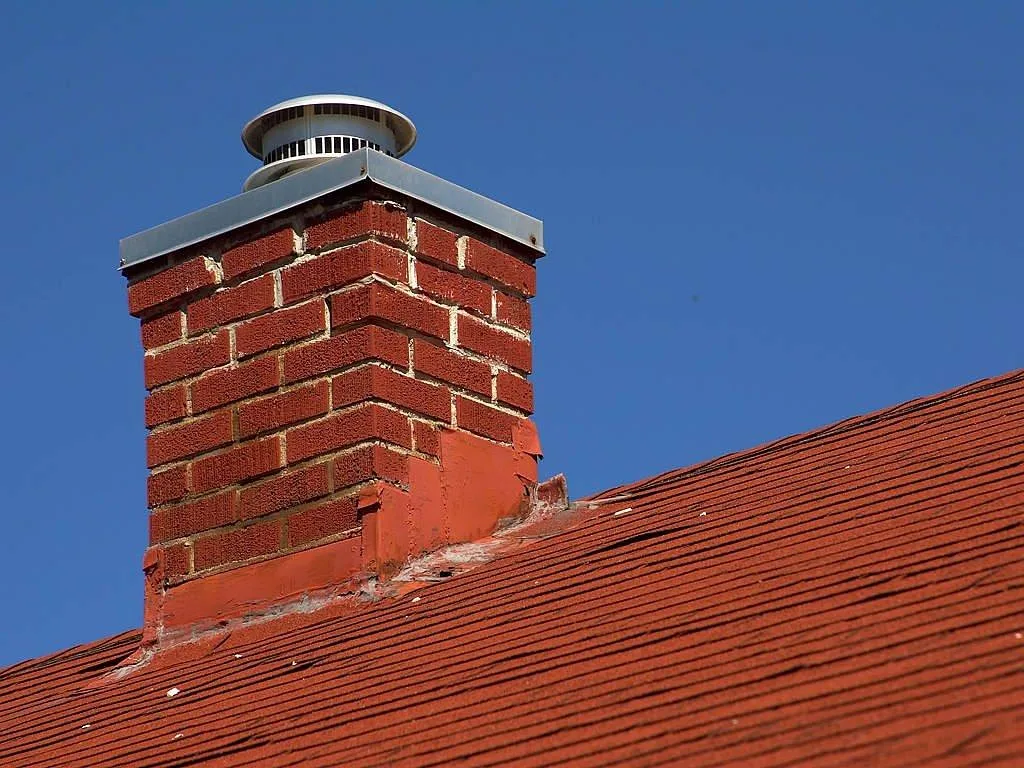
For a sweep, that means the vent has to be right when the inspector arrives, not after a second visit. Solid fuel appliances need a listed chimney, correct clearances to combustibles, and a cap or spark arrestor where the manufacturer requires one.
The city publishes its enforcement and prevention context through Fire Services – City of Toronto, including how it handles complaints and inspections. Read that page before you quote a job in a building with a history of violations. It tells you what the city treats as urgent.
Your technical benchmark is NFPA 211. The standard covers inspection levels, chimney condition, venting and clearance requirements. When you write a report, name the standard and the level of inspection you performed. That single line does more for your credibility than any marketing claim.
A level one inspection covers readily accessible portions of the chimney and connected appliance. Level two adds accessible areas of the attic, crawlspace and other concealed spaces, and it is what most real estate transactions and insurer requests call for. Level three is destructive and rare.
Start every job with a compliance checklist so nothing gets skipped when the client is watching. The checklist also gives you a consistent record of what you saw and what you did not.
Older semi-detached housing stock and shared chimney flues
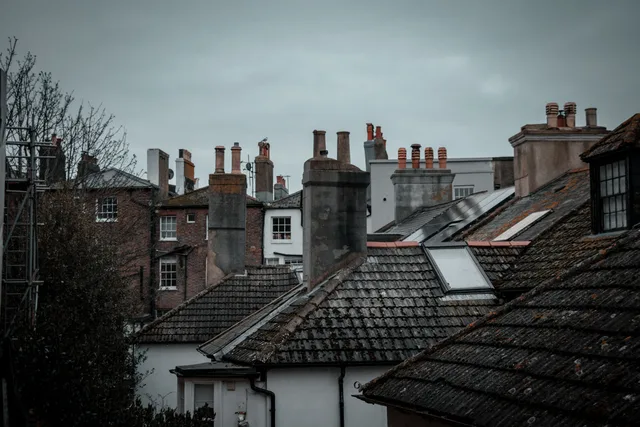
Toronto's older semi-detached housing stock is the defining feature of the work in this city. Many of these homes were built with a single masonry chimney serving both units, with separate flues or a shared flue and separate connections.
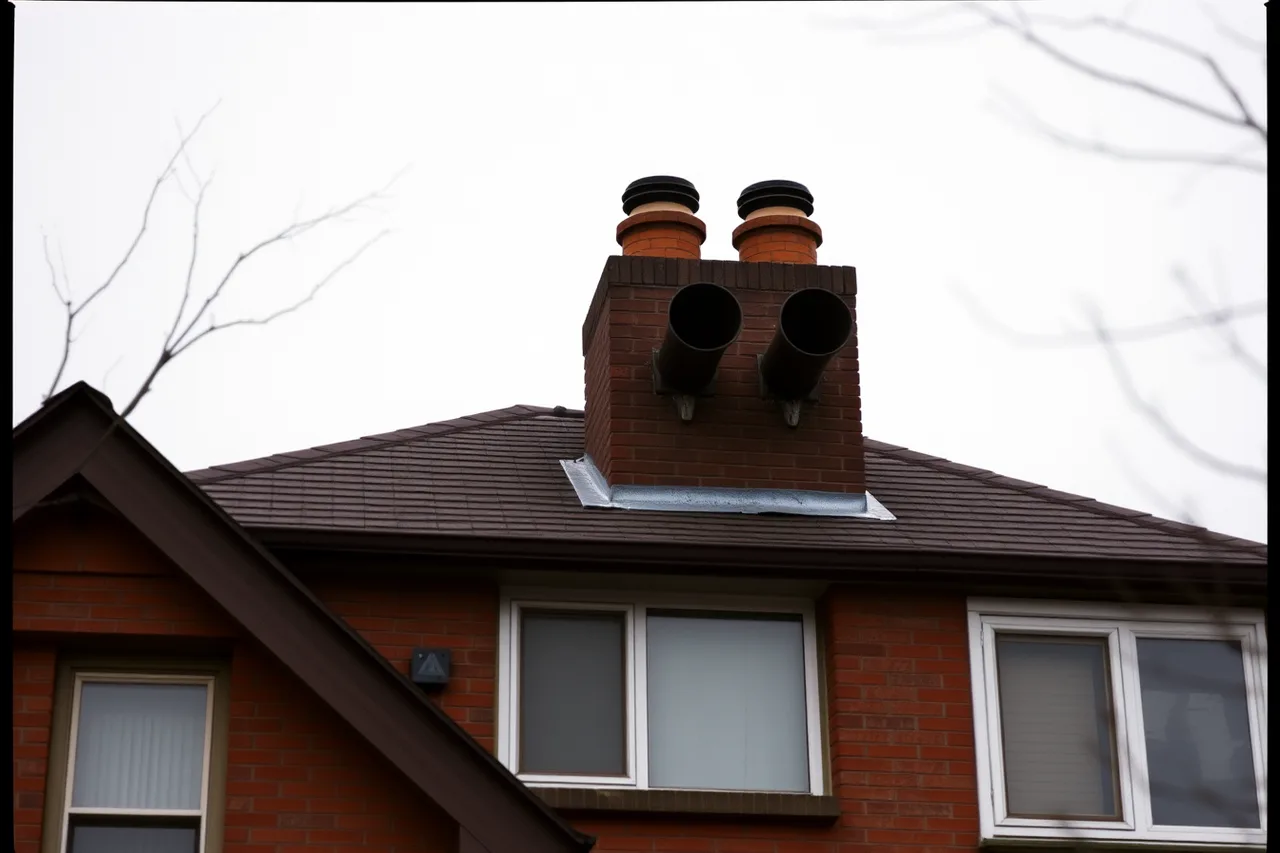
Shared flues fail in ways that are invisible from one side. A neighbour's disconnected appliance, a broken flue tile, or a blocked thimble can push combustion products into the unit you were hired to service. You cannot sign off on one side without knowing the other.
Ask for access to the adjoining unit before you start. If the neighbour will not allow it, document the refusal in writing and limit the scope of your report. An honest limitation protects you more than a clean-looking certificate.
Statistics Canada tracks the age and type of the country's housing stock through Housing statistics, and Toronto's share of pre-1960 dwellings is why so much of this work looks the same from street to street. The data is worth reading if you want to understand where the calls come from.
Masonry chimneys in these homes often have no liner, or a parged liner that has spalled. Clay tile liners crack at offsets. When you find that, the fix is a listed liner system sized to the appliance, not a sweep and a coat of paint.
Set your service quality bar around what you can prove, not what you assume. In a semi-detached house, proof starts with the neighbour's flue.
Documenting an inspection so an insurer will accept it
Insurers do not read sweep reports for pleasure. They look for a date, an address, the appliance, the standard applied, the findings, and the name and credential of the person who did the work. Give them those in that order.
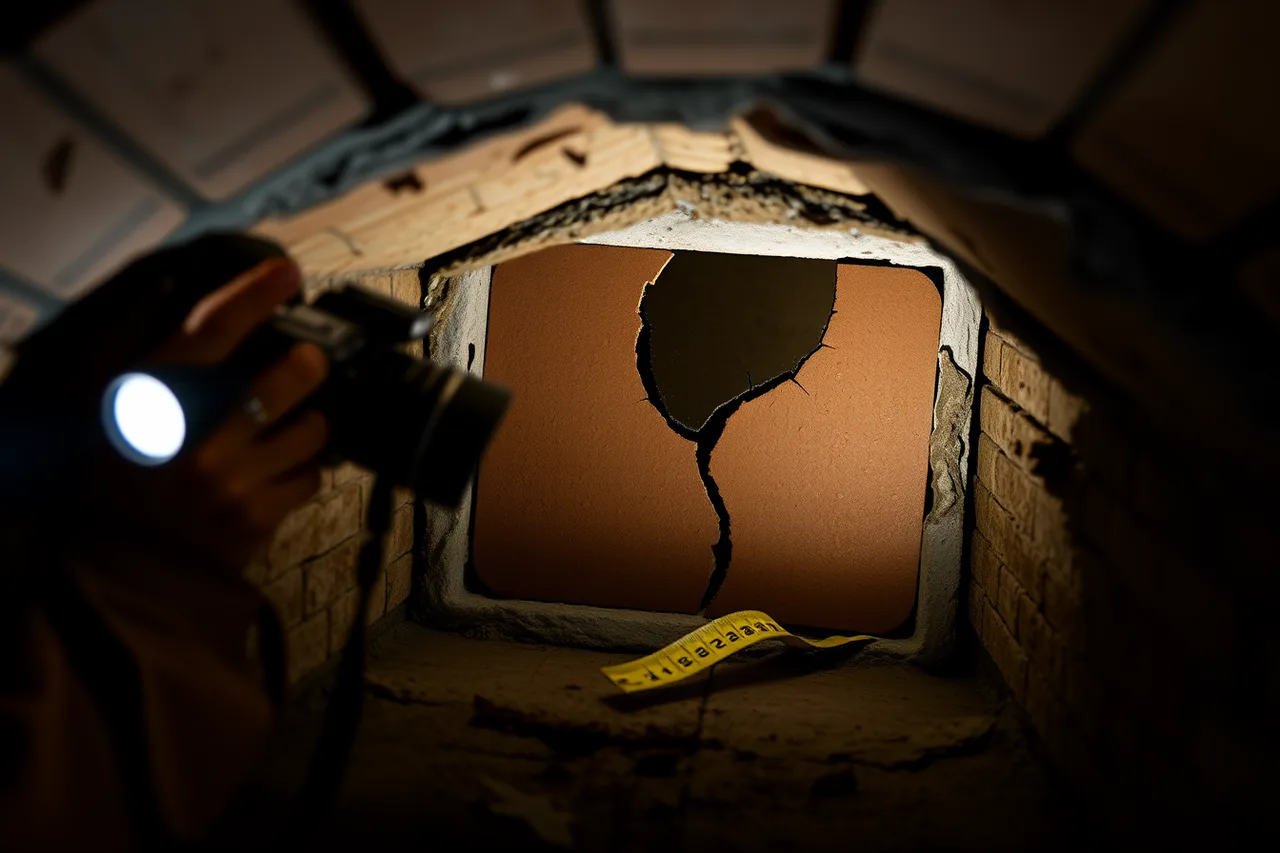
Use NFPA 211 Standard Development as the reference standard in the report. State the inspection level. List clearances you measured and how you measured them. Note any defect that affects insurability, such as a cracked flue tile, a missing cap, or a combustible material too close to the connector.
Photograph everything. Wide shots establish the room and the appliance. Close shots show the defect and a tape measure. Label the photos by address and date so they can be matched to the report months later.
Never certify a chimney you did not inspect. If snow, a locked door or an unsafe roof stopped you, say so. An insurer will accept a limited report. It will not accept a false one.
A worked example helps here. A semi-detached house in the east end has a wood stove on the main floor and a gas furnace in the basement, both venting into the same masonry chimney. You inspect at level two and find a spalled liner above the roofline. You photograph it with a tape measure.
Your report states the standard, the level, the defect, the recommended repair and the date. The insurer accepts it and asks for proof of repair, which becomes your next job.
When a sweep needs a permit or a TSSA-related referral
Most sweeping and inspection work needs no permit. Work that changes a venting system, installs a new appliance, or alters a chimney may need a building permit from the city. Check before you start, not after.
Municipal licensing rules vary, and Permits, licences and regulations - Canada.ca is a useful starting point for finding the right level of government. Sweeps who also install or repair should confirm what their municipality requires.
TSSA Ontario regulates fuels, boilers and pressure vessels. If a job touches a gas appliance, a gas line, or an oil-fired appliance, the work falls under TSSA rules and needs a registered contractor. A sweep who is not registered refers the gas side out.
Make the referral in writing. Name the TSSA-registered contractor, the scope, and the date. Keep a copy. When a homeowner later asks why the gas work was not done by you, the paper trail answers the question.
Solid fuel work is different. Wood, pellet and coal appliances are not TSSA-regulated in the same way, but they still have to meet the Ontario Fire Code and the manufacturer's instructions. Your licensing and compliance obligations sit at the municipal and provincial level, and they are worth reviewing each year.
Seasonal demand across Toronto's older neighbourhoods
Demand in Toronto runs from late August to early December, then again in a smaller wave in early spring. The first cold snap fills the phone. The second wave comes when homeowners realize the fireplace smoked all winter.
The older neighbourhoods drive the pattern: Riverdale, Leslieville, Roncesvalles, the Junction, and the streets of semi-detached houses around St. Clair West. These are the addresses with masonry chimneys, wood fireplaces and furnaces sharing one stack.
Book the shoulder season. September and October are busy but manageable. November is the crush. If you want scheduling that works, block semi-detached jobs in pairs so you can inspect both sides in one visit.
Weather matters more than most sweeps admit. Freezing rain and snow load make roof access unsafe, and the Guide to the Occupational Health and Safety Act | ontario.ca sets out the duties that apply to you and your crew at heights. A job postponed for weather is cheaper than a fall.
Keep a winter list. Homeowners who call in January can be booked for March, and a short call-back list fills the spring wave without advertising.
Handing records to landlords, tenants and property managers
A chimney record belongs to the building, not to the person who paid for the sweep. Landlords need it for insurance and for the Residential Tenancies Act file. Tenants need it to know the fireplace is safe to use. Property managers need it for the building's maintenance log.
Send the report to the person who booked the job, and offer a copy to the other parties by email. State clearly who received what. If a tenant booked the sweep without telling the landlord, the landlord still needs the report, and the tenant should know that.
Use a sop checklist so every job produces the same package: report, photos, invoice, and any referral or permit note. Consistency is what makes a record useful two years later.
A simple handover checklist for every job:
- Report signed and dated, with the standard and inspection level named
- Photos labelled by address and date
- Invoice showing the scope of work
- Referral letter if gas or oil work is needed
- Permit number if a permit was pulled
- Copy sent to landlord, tenant or property manager as applicable
- Office copy filed by address
For landlords with several properties, offer a portfolio summary once a year. It lists each address, the date of the last inspection, the findings and the next due date. That document is often what keeps the account.