Guides
Chimney Sweep Service Agreement: What to Include
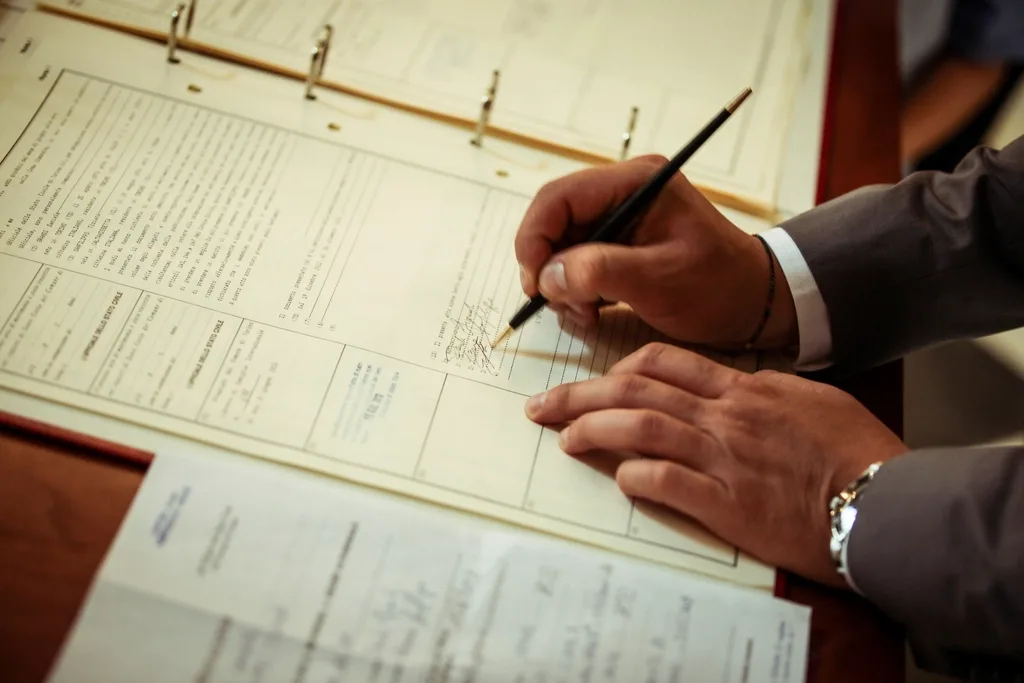
A chimney sweep service agreement turns a handshake into enforceable terms. It covers scope, payment, cancellation, liability, and the check that closes the job.
What to take away
- A chimney sweep service agreement should name the work, price, payment trigger, cancellation terms, and liability limits.
- Written terms beat spoken promises because a valid contract needs offer, acceptance, and consideration.
- Put measurable completion checks in the scope so a clean flue is not a matter of opinion.
- Use a change order process when the job expands, and stop work if the client will not sign it.
- Hand off structural or fire-safety defects to a licensed chimney professional or mason.
What has to be true before the first step
Before you send anyone to a roof, three things need to be in place. The client has signed the agreement. Your crew has a written scope of work that matches what the client approved. You have proof of insurance and a fall protection plan for the roof access. Send the crew with the chimney sweep staff training checklist so each person knows the sequence. A signed agreement does not mean the homeowner understands every clause. Walk through the scope and the cancellation terms before work begins.
Pre-Job Requirements
- Client signed the service agreement
- Written scope matches client approval
- Proof of insurance on file
- Fall protection plan for roof access
- Staff training checklist sent with crew
The sequence
- Inspect the fireplace, flue, and exterior termination. Note the creosote stage and any blockage or damage.
- Confirm the scope of work on the signed agreement, including access points and debris containment.
- Protect the hearth and surrounding floor with drop cloths, then seal the fireplace opening before sweeping.
- Sweep from the roof or from below. Use brushes sized to the flue and follow Chimney Sweep Fall Protection Rules when working at height.
- Run a visual check with a mirror and light after sweeping. No creosote flakes larger than 1/8 inch should remain on the flue walls.
- Reassemble any removed parts, remove debris, and have the client sign the completion line.
What to include in the agreement
A service agreement works only when a judge can enforce it. A valid contract requires offer, acceptance, and consideration (Cornell Law School). The table below lists the clauses that cause the most disputes and what each clause should state.
Key Service Agreement Clauses
Clause
- Scope of work
- Exact services, access, exclusions
- Payment terms
- Due date, deposit, final trigger
- Cancellation policy
- Notice period and any fee
- Liability waiver
- Limits for damage and injury
- Disposal
- How creosote and debris handled
What to state
- Scope of work
- Prevents disputes over promises
- Payment terms
- Clear obligation after completion
- Cancellation policy
- Sets expectations before work
- Liability waiver
- Cannot override OSHA fall duties
- Disposal
- Must follow EPA waste rules
Why it matters
- Scope of work
- Payment terms
- Cancellation policy
- Liability waiver
- Disposal
| Clause | What to state | Why it matters |
|---|---|---|
| Scope of work | Exact services, access points, and exclusions | Prevents disputes over what was promised |
| Payment terms | Due date, deposit, and final payment trigger | Creates a clear obligation after completion |
| Cancellation policy | Notice period and any fee | Sets expectations before work starts |
| Liability waiver | Limits for property damage and injury | Cannot override OSHA fall protection duties |
| Disposal | How creosote and debris will be handled | Must follow EPA hazardous waste rules when applicable |
The step that decides the result
The mirror check is the step that decides whether the job is complete. If the client sees creosote flakes after you check, the flue is not clean. Re-sweep before you call the job done. This check is objective because it uses a visible standard, not the owner's opinion or the client's guess. If the flue has a Stage 3 glaze or a cracked liner, sweeping will not fix it. That condition moves the job to the professional step described below.
How to check each step came out right
Use a short checklist for each job. It keeps the completion conversation factual.
- Scope of work matches the signed agreement before sweeping begins.
- Drop cloths cover the hearth and surrounding floor with no exposed carpet.
- Brushes match flue diameter and do not leave deep scoring on clay liners.
- Mirror check shows no stage 3 creosote glaze and no flakes larger than 1/8 inch.
- Client initials the completion line and any change order.
These visual checks are the same measures covered in Service standards. Run them while the client is present when possible.
What to do when a step goes wrong
A signed change order is cheaper than a dispute over extra work.
If the mirror check still shows creosote flakes, the flue is not clean. Re-sweep with a larger brush or a rotary whip.
If the client refuses to sign a change order for added work, stop and document what was completed. Do not continue on a verbal promise. This protects the payment terms in the agreement and gives you a written record for any later claim.
When to stop and hand it to a professional
Stop the job and hand it to a licensed chimney professional or mason when you find any of these conditions. The flue liner has a crack or missing section. The chimney has structural movement, such as a leaning stack or loose brick. The creosote is Stage 3 and has hardened into a glaze. The client asks you to work outside the signed scope and will not sign a change order. Any of these conditions means the risk has moved beyond a routine sweep.
Before you write the referral, prepare a written change order or scope document using the format in Writing chimney sweep quotes. It tells the next contractor what was found and what remains open.