Guides
What to put in a chimney sweep business package
A chimney sweep business package bundles flue inspection, brushing, and mess control at one flat rate, and its contents decide if the visit earns money.
What to take away
- A chimney sweep business package is a scope, a price and a written list of what is excluded; if the exclusion is not written, the customer will assume it is included.
- Price each line from your own numbersdrive time, on-site hours, consumables, disposal and the callback you eat when a second visit is needed.
- The standard sweep is the anchor. Everything else is an add-on with its own price, its own time allowance and its own skill requirement.
- Anything touching flue condition, clearances or venting defects goes to a WETT-certified technician, not into a package line.
- Review packages monthly on contribution per constrained hour, not on selling price or margin percentage alone.
This article covers business and pricing structure, not fire-safety, inspection, repair or legal advice. Requirements vary by province, state and municipality.
Confirm technical questions with a WETT-certified technician and NFPA 211. Take licensing, tax and advertising questions to your provincial regulator, the CRA or IRS, and a qualified accountant or lawyer.
The core package: annual sweep and inspection
The annual sweep is what most homeowners actually book, and it is the line that carries the truck. Scope it as one flue, one appliance, one visit, with a visual check of the accessible flue and firebox and a written report.
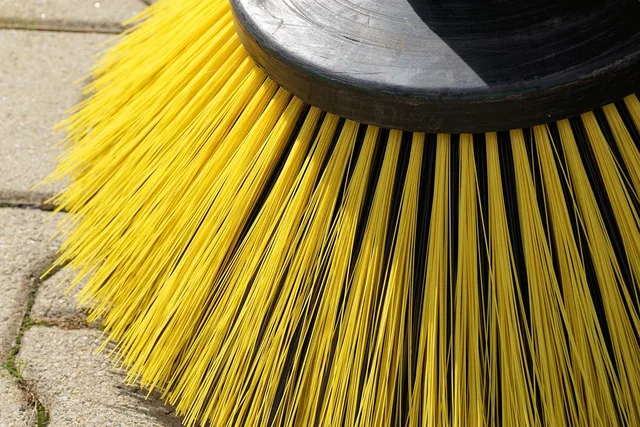
The visit runs on a HEPA-rated vacuum, canvas drop cloths and a brush matched to the liner. Polypropylene bristles go into stainless steel liners; steel bristles are for masonry flues.
A Gardus SootEater rotary whip, driven by a cordless drill, cleans many flues from the bottom up. Kits sell for roughly $60 to $80, and replacement whip heads run about $15 to $25 each.
In most US markets as of 2026, a standard sweep prices between $150 and $350. Drive time, roof access and a second appliance push the number toward the top of that band.
Write the exclusions on the same page as the price: additional flues, additional appliances, roof access above a stated pitch, and any repair. A customer who reads the exclusion before booking is cheaper than one who argues about it afterward.
A first-year customer and a repeat customer want the same visit. The difference is the reminder that brings them back, which is why the services and packages guide treats the annual sweep as the base everything else attaches to.
Add-on lines worth carrying
Each of these is a separate line item with its own time allowance. Price them from your own hours, not from a competitor's flyer.
| Package line | What it covers | Skill required |
|---|---|---|
| Standard sweep | One flue, one appliance, visual check, written report | Sweep |
| Additional flue or appliance | Same scope, second connection | Sweep |
| Level 2 inspection | Camera scan of the flue interior, documented findings | WETT-certified technician |
| Dryer vent cleaning | Lint removal, airflow check, exterior termination check | Sweep |
| Cap, screen or crown replacement | Supply and fit of the part | Sweep, or technician if clearances are in question |
| Creosote treatment | Chemical application where glazed creosote is present | WETT-certified technician |
| Masonry repointing | Mortar repair at the crown or firebox | Mason, coordinated by the sweep |
| Wood moisture check | Meter reading on the customer's firewood | Sweep |
| Stove or insert sweep | Baffle and blanket removal, gasket and firebrick check, re-assembly | Sweep |
| Nest or debris removal | Rod and whip clearing from the flue top, screen supplied | Sweep |
The dryer vent line is the easiest add-on to sell. It uses the same vacuum and the same visit, and the homeowner already knows lint is a fire risk.
A Gardus LintEater kit costs about $40 to $60 and handles most residential runs. A dryer vent cleaning typically sells for $100 to $200, or $75 to $125 when it is added to a sweep already booked.
A Level 2 inspection needs a camera, not a flashlight and a mirror. Dedicated Chim-Scan systems run from several hundred dollars for a basic unit to several thousand for a full setup, and the inspection typically sells for $300 to $600.
Creosote treatment is the chemical line. SaverSystems sells Anti-Creo-Soot spray and Cre-Away powder through its ChimneySaver line, and Rutland Products sells a remover for lighter deposits. A treatment typically prices at $300 to $1,500, depending on how much glazed creosote the flue holds.
Caps and screens are a parts line. HY-C Guardian caps fit most masonry and factory-built flues, with the part typically $40 to $200 and an installed price of $150 to $600.
A wood moisture check takes two minutes with a pin meter. General Tools sells the MMD4E, usually for less than $50, and Delmhorst makes the J-2000 for daily professional use.
Stove and insert sweeps take longer because the baffle and blanket come out first. Budget about 90 minutes on site and price the line above the standard sweep.
What to leave out of a package
Do not put a diagnosis in a package. A package promises a scope; a diagnosis depends on what the camera finds. Sell the inspection, then quote the repair as a separate document.
Do not bundle a repair into a sweep price to win the job. If the repair takes two hours and the sweep takes one, the package is now underpriced and the callback is unbilled.
Do not promise a clearance. NFPA 211 sets them, your local fire authority enforces them, and the measurement belongs to a WETT-certified technician.
Pricing the package from your own numbers
Build each line from named variables you fill in yourself:
- Drive time each way, in hours, times your loaded hourly cost.
- On-site hours, times the same rate.
- Consumables per visitbrushes, drop sheets, disposal bags, filter, typically $10 to $25 a visit.
- Disposal or tipping fee per load, typically $20 to $60 at a municipal transfer station.
- Callback allowancethe share of visits that need a second trip, times the cost of that trip. Track that share from your own job records.
Add them, then add the margin you need to stay open. The most profitable services breakdown is the place to check which line carries that margin once the hours are counted.
Two lines usually lose money and are worth rechecking: the second flue priced at half the first, and the package that includes a free inspection.
Selling the package without overclaiming
Advertising claims must be truthful and supported, and endorsements must reflect honest experience with material relationships disclosed. The FTC's advertising FAQs for small business is the plain-language reference.
Keep records that show income and expenses for each package line, plus the documents behind purchases, payroll and assets. The IRS recordkeeping guidance sets out what to hold and for how long.
For public-facing education material, the EPA's chimney sweep resources cover annual inspection reminders and wood-burning basics. Local fire, building and licensing rules still need separate verification.
Running the numbers monthly
Pick one constrained resource: the truck, the certified technician's calendar, or the owner's hours. Divide the contribution each package line earns by the hours it consumes of that resource.
A line that looks fine on margin percentage can still be the worst user of a technician's afternoon. A line that looks thin on price can be the best use of a truck already parked on the street.
Review the list monthly and retire what does not pay. Keeping every historical offer is how a menu becomes a liability.
Common questions
What belongs in the base package?
One flue, one appliance, one visit, a visual check of the accessible flue and firebox, and a written report. Everything else is a priced add-on with its own time allowance.
What does a standard sweep sell for?
Typically $150 to $350 in most US markets as of 2026. Drive time, roof access and a second appliance push the price toward the top of that band.
What tools does the sweep line need?
A HEPA-rated vacuum, canvas drop cloths, and a brush matched to the liner. Many sweeps also carry a Gardus SootEater whip and a pin-type moisture meter, plus a camera for Level 2 work.
Can I include an inspection in the sweep price?
You can, but count the hours first. A free inspection folded into a sweep price is usually the line that turns a profitable visit into a break-even one.
Who should perform the inspection line?
A WETT-certified technician. Flue condition, clearances and venting defects are technical determinations, and NFPA 211 plus your local fire authority set the standard.
How often should package prices change?
Review them when your loaded hourly cost, fuel, disposal fees or consumable prices move. Monthly review of contribution per constrained hour catches drift before a season ends.