Guides
How Alberta winters and chinooks shape a Calgary sweep's calendar
A Calgary chimney sweep winter schedule follows the chinook cycle: creosote builds fast in dry air, bookings spike before cold snaps, and staffing stays tight.
What to take away
- A Calgary chimney sweep winter schedule is built around chinooks, not the calendar: demand spikes before each cold snap and again after every warm break.
- Dry chinook air cures wood fast and concentrates creosote, so flues in Calgary soot up differently than in humid coastal cities.
- Booking peaks land in October and November, then repeat within days of every chinook through February.
- Staffing plans need overlap, not headcounttwo sweeps on rural acreage days, one on city routes, and a booked-out buffer after each warm spell.
- Insurers in Alberta increasingly ask for documented flue conditions, so record what you saw, not just what you swept.
How Calgary's dry chinook climate changes creosote formation
A chinook can push Calgary from minus 25 to plus 10 in a day. That swing does two things to a fireplace: it raises how often people burn, and it changes how the wood and the flue behave while they burn.
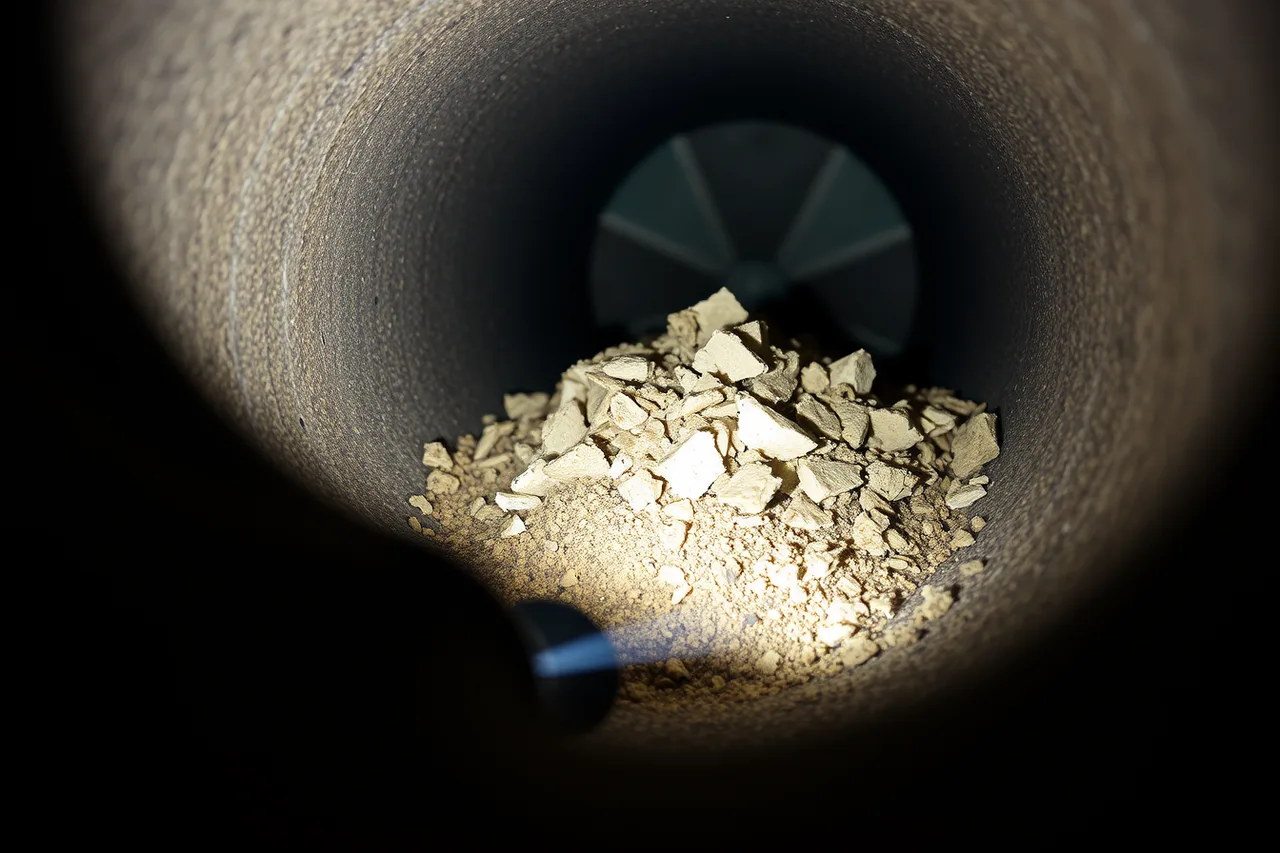
In humid climates, wood absorbs moisture and burns cooler and slower. Alberta's dry air does the opposite. Split wood dries to low moisture content quickly, so fires run hot and fast. Hot fires with poor air control still deposit creosote, but the deposit is often flaky and light rather than glossy and hard.
That is not good news. Flaky creosote sheds, falls, and piles up on the smoke shelf and in the flue base. It also ignites easily. A sweep who assumes a light-looking flue is a clean flue will miss the risk.
Chinook chimney creosote behaves differently again after the warm break ends. When the temperature crashes back down, homeowners damper the fire down to stretch heat overnight. Cool, smouldering fires are the classic recipe for stage three creosote, the glazed kind that needs rotary cleaning.
So a Calgary flue can carry two creosote types in one season: dry flaky deposits from hot daytime burns, and glazed deposits from damped-down night burns. Creosote buildup patterns in this city change with the weather, not with the homeowner's habits alone.
This matters for how you quote work. A standard brush-and-vacuum visit may be enough in October. By January, the same flue may need a rotary head and more time. Price the inspection, then price the cleaning you find.
Energy efficiency upgrades change the picture too. When a household tightens a house and reduces make-up air, the appliance can starve for combustion air and smoke more. Natural Resources Canada publishes guidance on energy efficiency for buildings that is worth reading before you advise anyone on draft problems.
Wood heating is not a niche in this country. Statistics Canada's work on population growth in Canada's rural areas covers household heating patterns by province, and it is a useful reminder that rural Alberta burns far more cordwood than Calgary's inner city does.
Booking peaks before the first cold snap and after each chinook
The first hard cold snap of the year is the single biggest booking event on a Calgary sweep's calendar. It usually arrives in late October or November, and it arrives with warning. Forecasters flag it days out, and that is your window.
Homeowners call when they feel cold, not when they plan ahead. That means the phone rings hardest in the 48 hours before a cold snap and for a week after it breaks. Build your schedule around those two waves.
Here is the pattern most southern Alberta sweeps see:
| Period | Typical demand | What drives it |
|---|---|---|
| September to early October | Moderate | Pre-season tune-ups, real estate sales |
| Late October to November | Peak | First cold snap, first fires of the season |
| December | High, weather-dependent | Holidays, chinook cycles, gift certificates |
| January to February | Peak again | Deep cold, damped-down overnight burns |
| March to April | Falling | Last burns, spring cleaning requests |
| May to August | Low | Sweeps, repairs, WETT inspections |
A chinook resets the cycle. When the warm wind arrives, fireplaces go quiet for a few days, then the cold returns and everyone lights up again with a flue that has sat unused. Those first relights after a chinook are when blockages show up as smoke in the room.
Book the post-chinook wave before it happens. Hold two slots a day through January and February for callbacks and emergencies. If you fill them, you win. If you do not, you have room for the panicked call that pays a premium.
Good scheduling that works treats weather as a constraint, not a surprise. Watch the forecast the way a roofer does, and move rural work to the warm days of each cycle.
Track your booking sources monthly. If you cannot say which weeks filled and which did not, you are guessing at next year's marketing spend. The chimney sweep kpis that matter most in Calgary are calls per cold snap, conversion rate, and average ticket by creosote stage.
Staffing plans for a compressed Alberta sweep season
Alberta sweeps do most of their revenue in five months. That compression is the hardest part of running a crew here. You cannot hire in November and expect a trained technician by December.
Start recruiting in August. By the time the first cold snap lands, a new hire should already have ridden along on twenty jobs and handled a brush and a vacuum on their own.
Plan for overlap, not headcount. On a normal city day, one technician per truck is fine. On the day after a chinook, two people on one truck clear twice the jobs because setup, ladder work and cleanup run in parallel.
Rural days are different again. A single acreage call can eat three hours in driving. Send two technicians together on rural routes so the drive is shared and the job is finished in one visit.
Cross-train everyone on inspection paperwork. When insurers ask for documentation, the person who was on the roof should be able to write it up. Team building for owners is mostly about making sure nobody is the only person who can do one task.
Cold snap scheduling needs a hard rule: no non-urgent work booked during a forecast cold snap. Move tune-ups to the warm side of the cycle. Keep emergency slots open for no-heat calls, blocked flues and carbon monoxide concerns.
Watch fatigue. A sweep doing six flues a day in minus 20 will eventually miss a ladder tie-off. Physical hazards in cold-weather work, including falls and cold stress, are well documented by CCOHS physical hazards.
The controls are boring and effective: shorter shifts, warm-up breaks, and a second person on the roof.
What dry air does to masonry, mortar and flue liners
Calgary's dry air is hard on brick and mortar. Masonry expands and contracts with the freeze-thaw cycle, and chinooks accelerate that cycling. A chimney that sees thirty temperature swings in a winter moves more than one that stays cold.
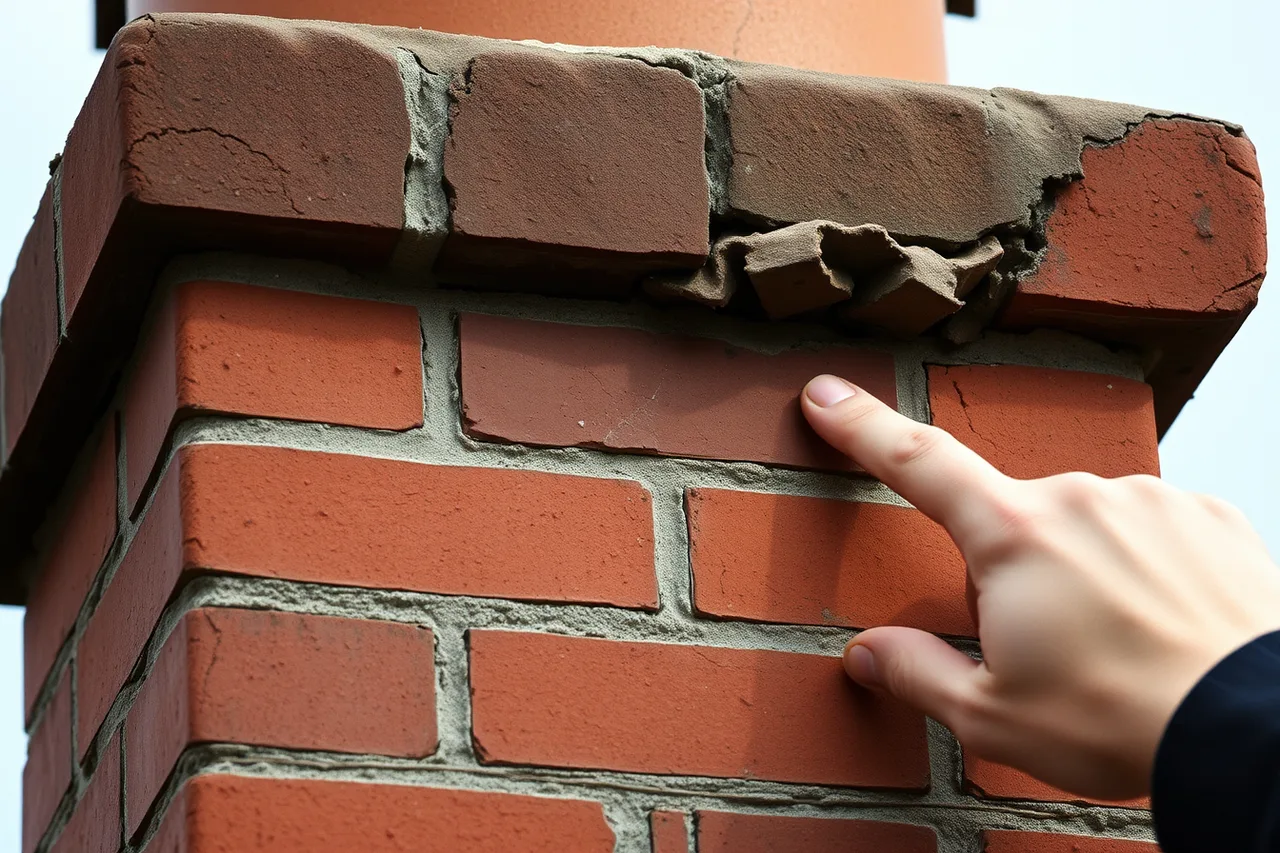
Mortar joints crack first. Hairline cracks let water in during a chinook melt, then freeze overnight and widen. Left alone, the crown spalls and the flashing lifts.
Clay tile liners suffer too. Rapid heating after a cold soak can crack a tile, especially where creosote has already insulated the flue and trapped heat. A cracked tile is a pathway for carbon monoxide into a home.
Stainless liners handle the swings better, but only if they were installed with the right insulation and the right expansion allowance. Check the top plate and the appliance connection on every visit.
What should you tell a homeowner? Keep it simple. Water is the enemy in a dry climate, because it arrives rarely and freezes fast. A crown in good repair and a cap that keeps snow out prevent most of the damage you will see.
The National Fire Code of Canada and CSA Group standards set the baseline for clearances and venting. Provincial fire marshal offices enforce them through local inspectors. When you find a violation, write it down and hand it to the homeowner in person.
Scheduling rural acreage calls around city work
Rural calls are the profit leak in most Calgary sweep businesses. They pay well per job and cost a fortune in windshield time if you schedule them badly.
Cluster them. Pick two days a week for acreage work and route them geographically: one day for the Okotoks and High River side, one for the Airdrie and Crossfield side. Never mix a single rural call into a city day.
Use the chinook forecast to your advantage. Warm days melt the access roads and make ladders safer. Cold snaps turn a long driveway into a sheet of ice, and that is when a rural call becomes a liability claim.
Ask about access when you book. Gate codes, dogs, driveway grade, and whether the chimney is on a steep roof. A two-minute question on the phone saves an hour on site.
The rural share of Canadian households is not small, and many of them heat with wood. Statistics Canada's housing statistics are a reasonable starting point for understanding how service demand splits between city and country.
Good chimney sweep operations treat rural work as its own route, its own pricing, and its own weather rules. Do not let a city dispatcher fill a rural slot with a same-day city job.
Recording conditions that insurers in Alberta ask about
Insurers and adjusters increasingly want evidence, not assurances. A photo of a clean flue is worth more than a sentence saying it was clean.
Record the creosote stage you found, the flue type, the appliance, and any defect you observed. Note the weather that day. A January inspection during a chinook tells a different story than one during a deep freeze.
Alberta's consumer protection rules apply to how you quote, contract and handle complaints. The province's Alberta consumer protection guidance is worth reading once a year so your paperwork stays compliant.
What does a useful record look like? Here is a worked example from a typical Calgary job:
- Address, date, and technician name
- Appliance type and fuelwood insert, seasoned spruce
- Flue typeclay tile, interior chase
- Creosote stage observedstage two, flaky, 3 mm average
- Defects notedcracked crown, no cap
- Weatherminus 18, chinook ended two days earlier
- Work performedrotary clean, new cap quoted
Keep these records for at least as long as your liability exposure runs. If a chimney fire happens two winters later, your file is your defence.
The bigger picture is that wood heating demand is not disappearing. A comparison of chimney sweep equipment points to more heat pumps paired with more backup wood burning, not less, and that combination creates new draft and venting questions for sweeps who understand them.